Build log, October 2026
Drag Reduction
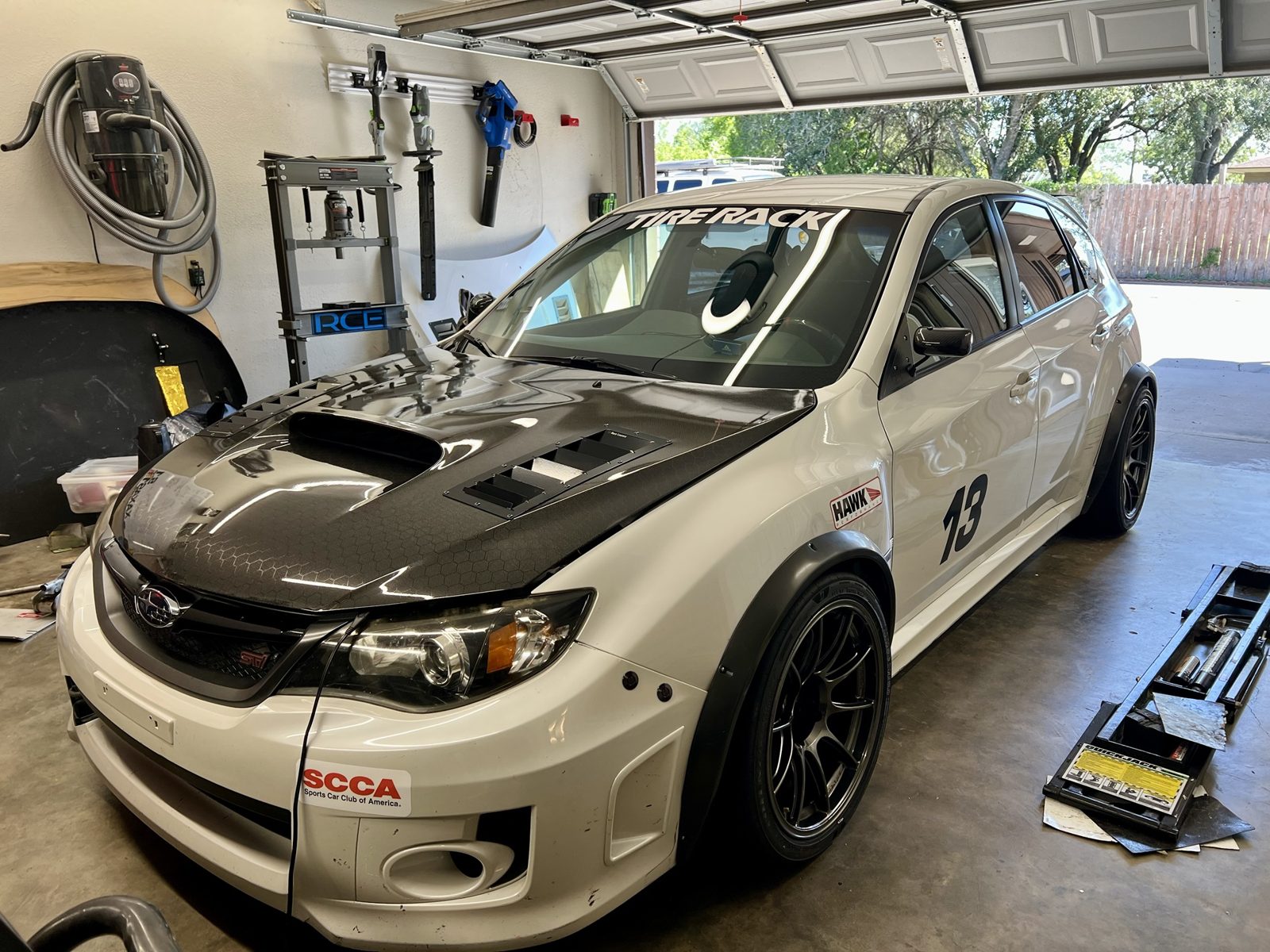
Going into SCCA Time Trials Nationals and the Ultimate Track Car Challenge, I knew I didn't have a shot at a win. In the spring I was about four seconds off the class leader, and I wanted to close that gap as much as I could.
I didn't have time to put together a full aero package before the events, so I went looking for every low-hanging, low-cost aero item I could find. That mostly meant reducing drag.
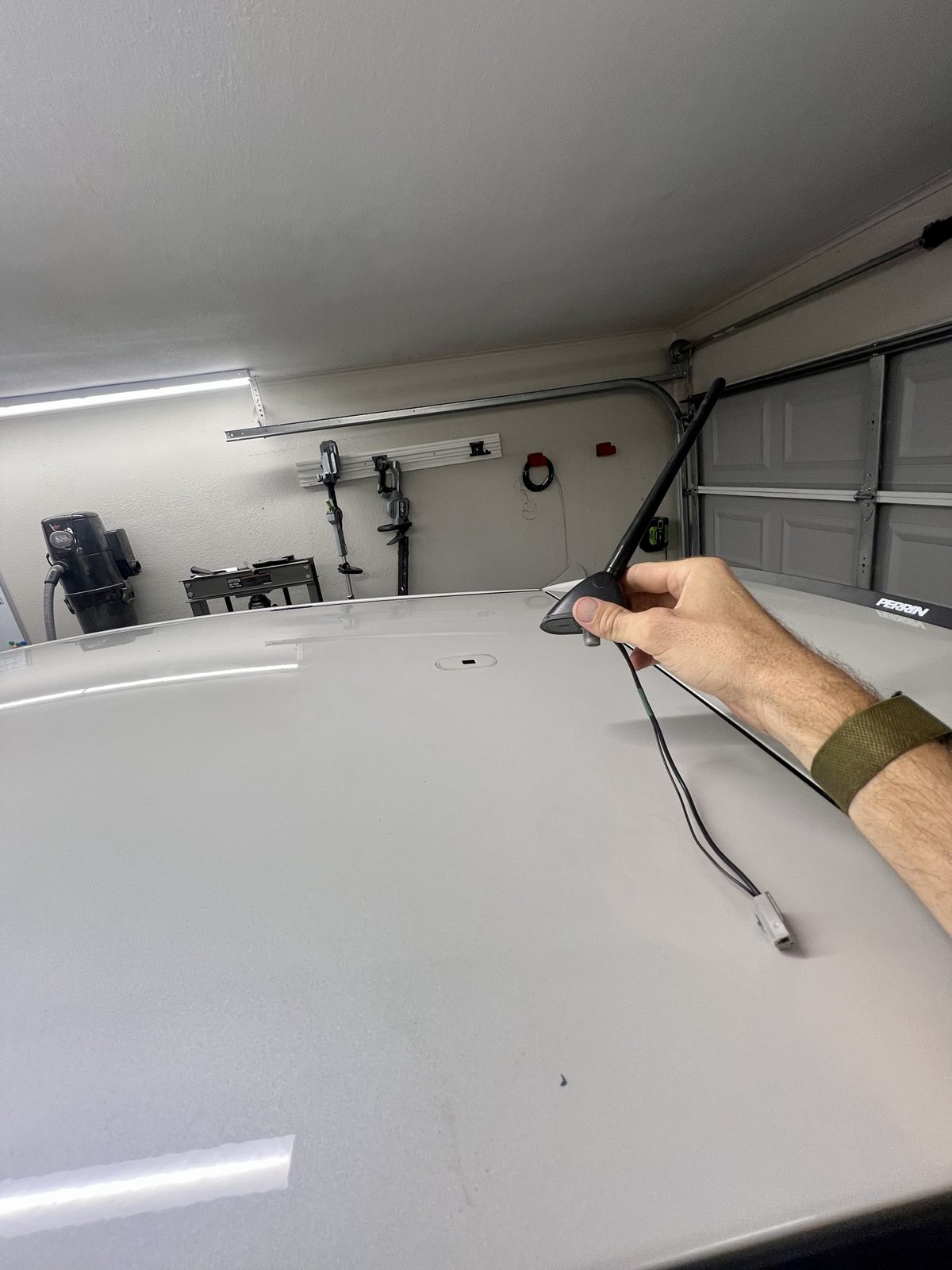
Antenna and mirrors
The easiest one first: the roof antenna came off. Then the stock mirrors got swapped for APR's carbon fiber GT3-style mirrors, which are much smaller and cleaner in the air.
Front under tray
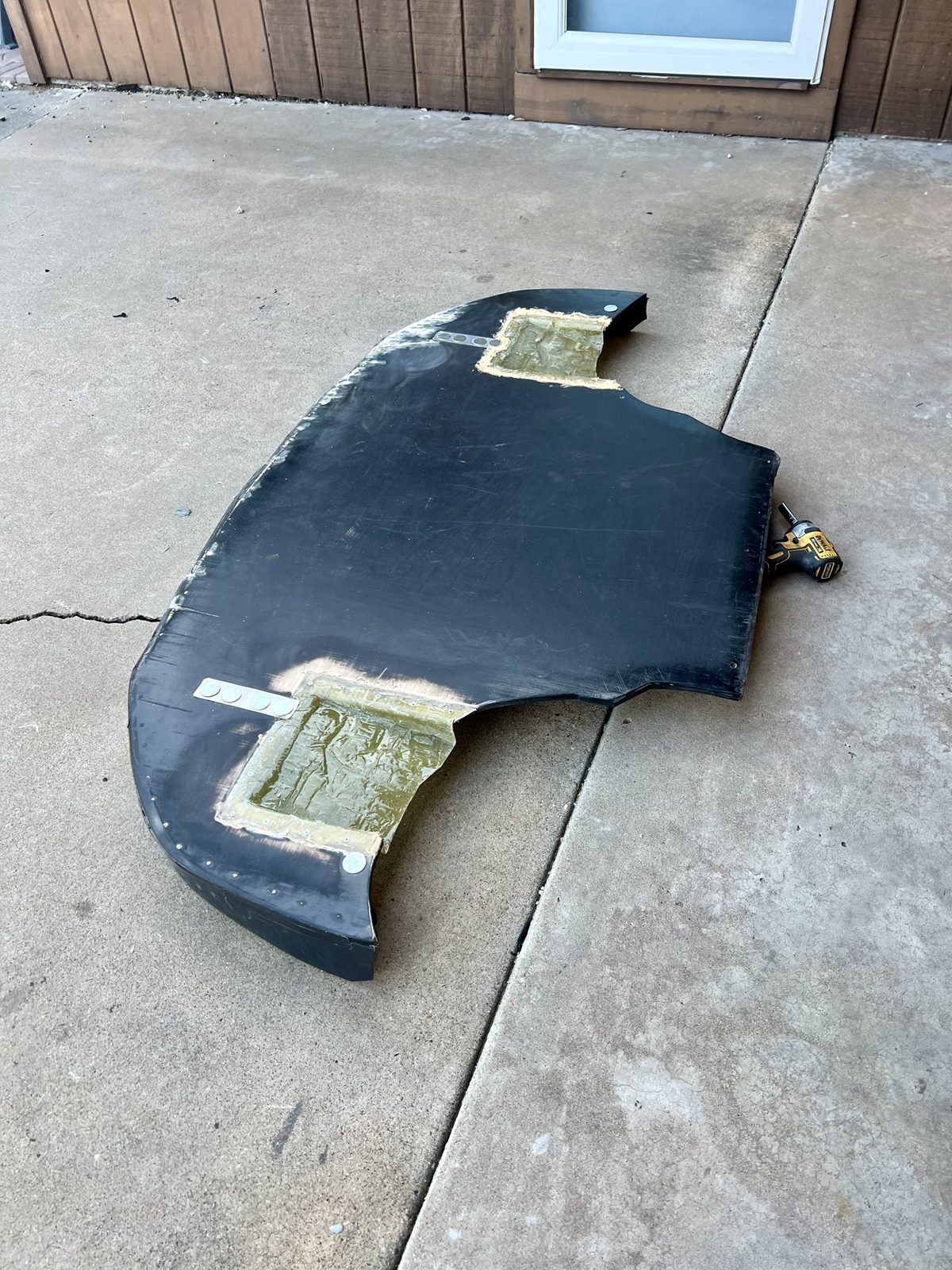
I made improvements to the under tray from the front axle forward. It got home-made fiberglass tunnels and a rounded leading edge.
Rear bumper
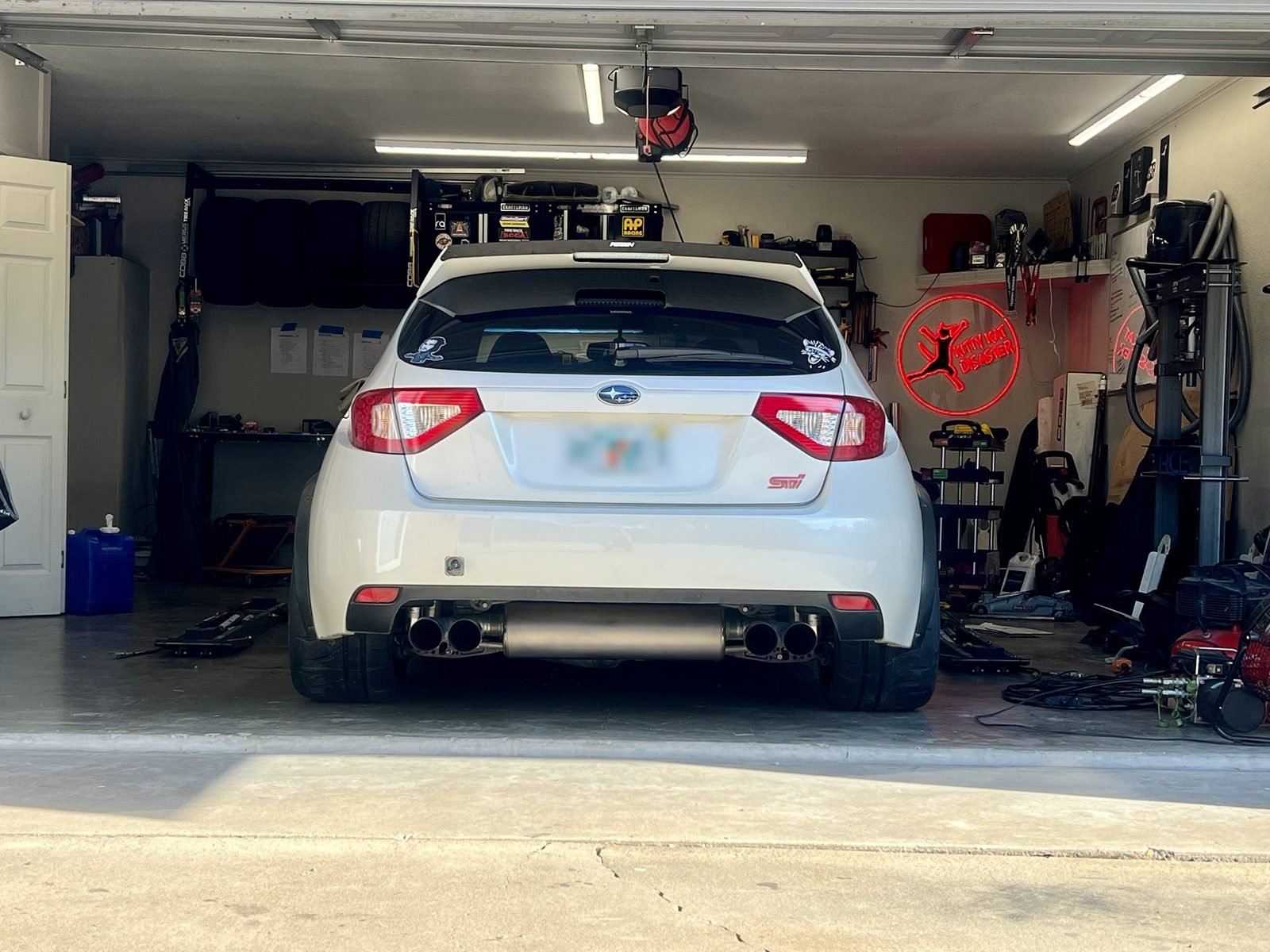
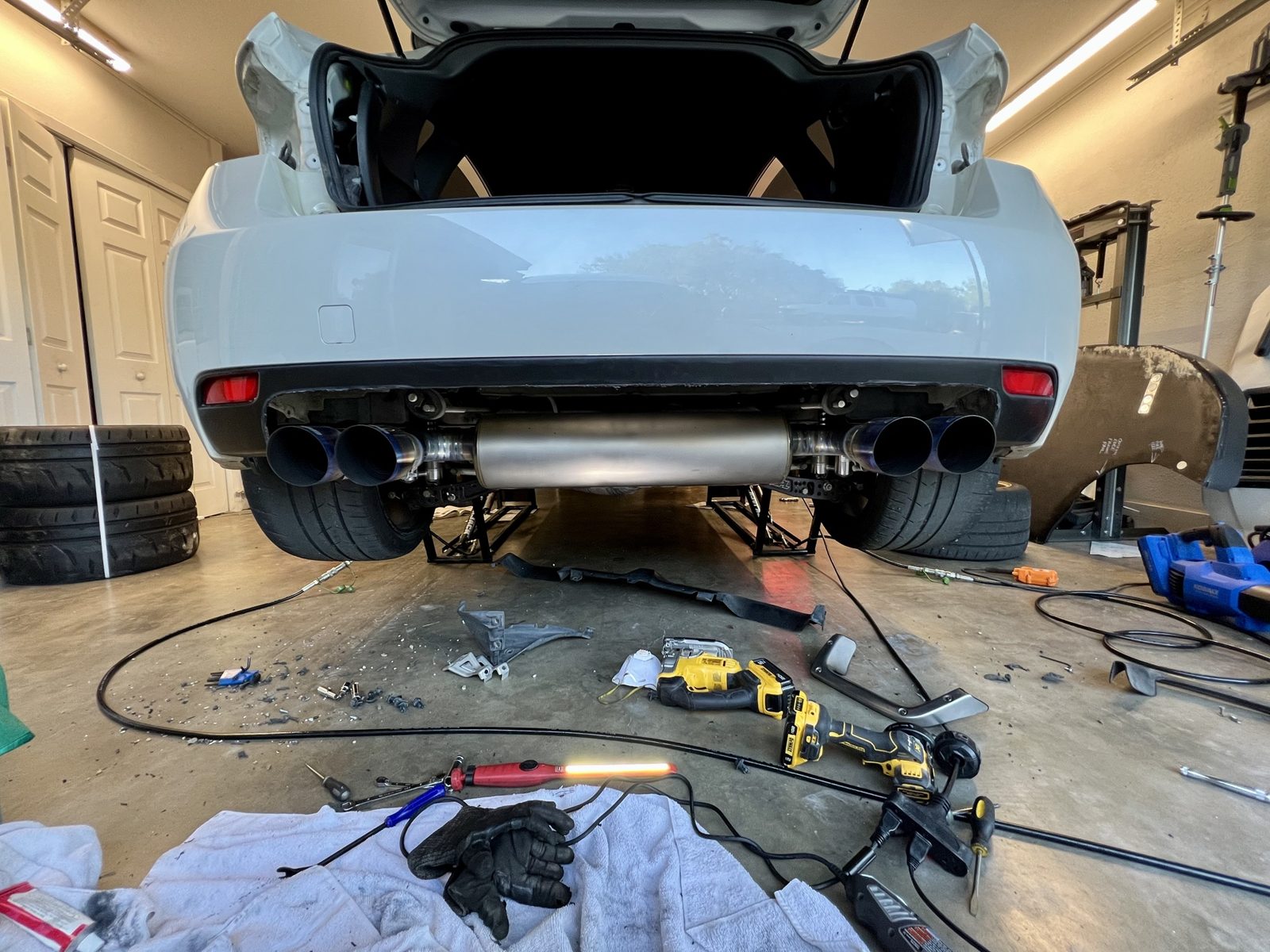
The lower rear bumper traps air behind the car, so I cut it out to open up the back and reduce drag.
Gurney flap
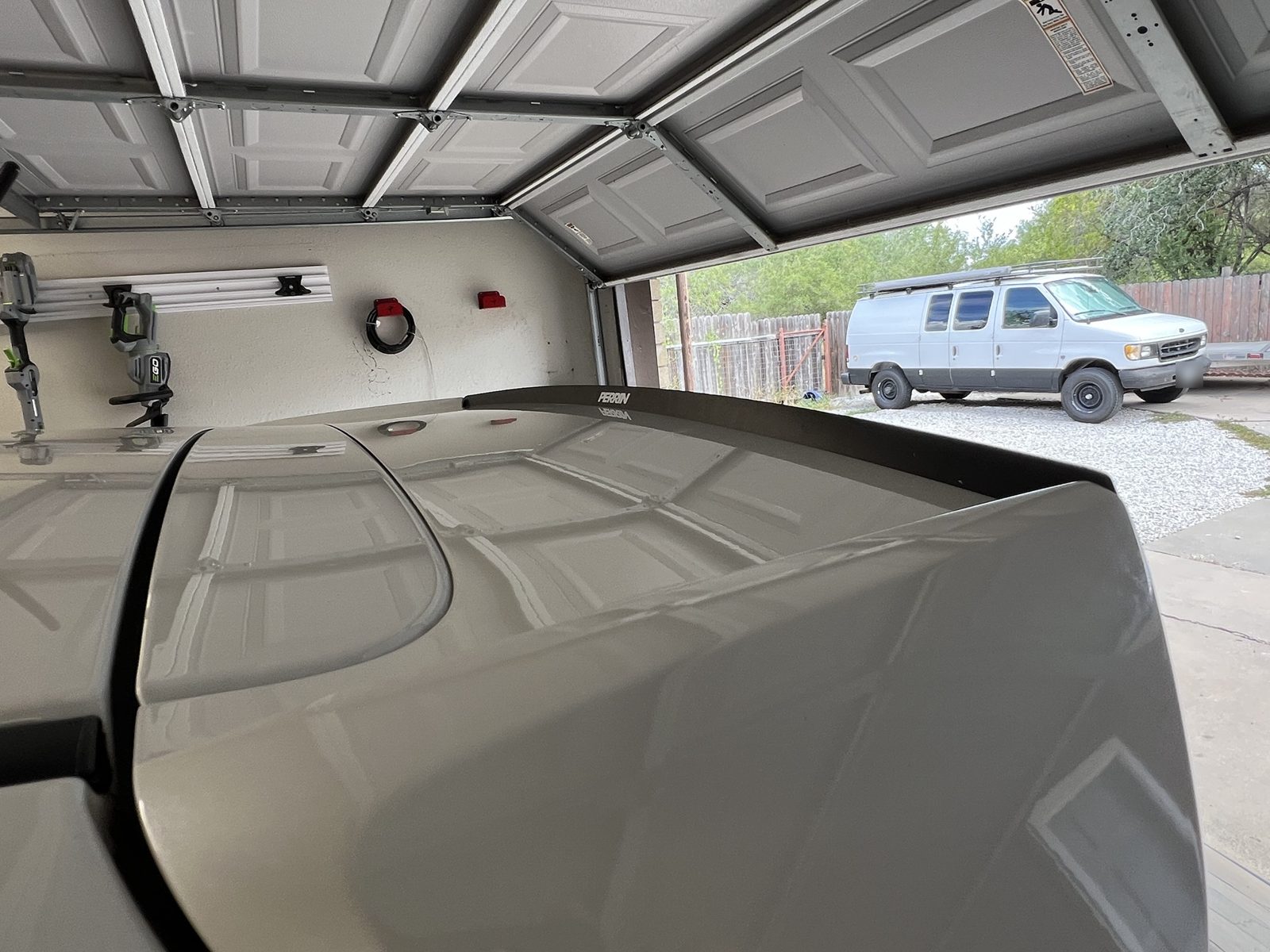
I also added the Perrin gurney flap to the roof spoiler. It's probably a negligible amount of downforce, but I figured it was worth a try. It does work against the rest of the list, though: a gurney flap makes downforce by adding drag, so it would have offset some of what the other changes saved.
The result
2:06.4
At the Ultimate Track Car Challenge at Eagles Canyon, I knocked three seconds off my personal best.
Not all of that was aero. The car was also on Bridgestone RE-71RZs instead of the Vitour P1s I'd run all year, and I stopped being a coward and turned stability control off, which let me simply drive better. That alone was worth at least a second.
What the data says
I'll never know exactly how much each change was worth, but my Apex Pro data gets closer. I compared my best lap from three events at Eagles Canyon, all running counterclockwise:
- April: my previous PB of 2:09. Vitour P1s, and the car still had its steel hood.
- May: the weather most similar to October. Vitour P1s.
- October, UTCC: all the drag reduction mods, RE-71RZs, and stability control off.
Other than those, there were no major changes to the car. Apex's GPS lap times run a little quicker than official timing (it has my PB as a 2:05.9), so I'm comparing the laps against each other rather than the clock.
- October, UTCC (drag mods, RE-71RZ)
- May (Vitour P1)
- April, previous PB (Vitour P1)
October is faster almost everywhere, and I was often about 5 mph faster on the straights. But when I broke the lap into sections, the time didn't come from where I expected. Against the May lap, October gained about 4 seconds in total, and nearly all of it came in the corners and in the speed I carried out of them. The biggest chunks were Turns 11–14 (1.2 seconds) and Turns 3–5 (0.8 seconds):
| Section | Distance (ft) | Gained (s) |
|---|---|---|
| Turns 1–2 | 0–560 | 0.0 |
| Turn 2 exit to Turn 3 | 560–1,540 | 0.4 |
| Turns 3–5 | 1,540–3,280 | 0.8 |
| Turns 6–7 | 3,280–4,920 | 0.5 |
| Turns 8–9 | 4,920–6,200 | 0.1 |
| Turn 10 | 6,200–6,890 | 0.2 |
| Back straight | 6,890–8,190 | 0.1 |
| Turns 11–14 | 8,190–10,830 | 1.2 |
| Turn 14 exit to Turn 15 | 10,830–12,140 | 0.0 |
| Turn 15 | 12,140–12,520 | 0.1 |
| Front straight | 12,520–13,750 | 0.5 |
| Total | 4.0 |
- Time gained on the May lap (negative = October ahead)
The back straight: where drag should show up
Drag matters most at high speed, so the back straight is the best place to look for it. The October lap arrives a few mph faster because it carried more speed through Turn 10. Once the car is up to speed, though, the October and May lines run parallel and finish in the same place: 119.7 mph in October versus 119.4 in May.
- October, UTCC (drag mods, RE-71RZ)
- May (Vitour P1)
- April, previous PB (Vitour P1)
Comparing acceleration at the same speed, in the same gear, on the same stretch of track is the cleanest test I have. October and May come out the same within the noise of the data:
| Speed | April | May | October |
|---|---|---|---|
| 95–100 mph | 0.23 | 0.25 | 0.26 |
| 100–105 mph | 0.20 | 0.24 | 0.23 |
| 112–116 mph | 0.15 | 0.17 | 0.18 |
| 116–118 mph | – | 0.17 | 0.17 |
That doesn't mean the mods did nothing, just that the effect is too small for this data to see. At 115 mph, aero drag is slowing the car by roughly 0.07 g. Cutting drag by 5% would only be worth about 0.004 g of extra acceleration, while GPS-based acceleration from different days is only good to about 0.01 g. Two things also pull the other way. The gurney flap adds drag of its own, and the stickier RE-71RZs probably have more rolling resistance, so a small gain from the other mods could have been partly cancelled out. If the package helped top speed overall, it was by less than I can measure here.
Where the 5 mph came from
The biggest speed gains on the straights came right off the corners. Out of Turn 2, October actually hits a lower minimum speed but is going about 74 mph 330 feet later, versus 66.5 in May. From the corner to the end of that straight it averaged about 0.25 g of acceleration versus 0.21 g in May, mostly at speeds where aero barely matters. That's traction and throttle: stickier tires, getting on the gas sooner, and no stability control pulling power on corner exit.
- October, UTCC (drag mods, RE-71RZ)
- May (Vitour P1)
- April, previous PB (Vitour P1)
One more thing showed up. On the back straight, the car accelerated 10 to 20% harder in May than in April, before any of the drag reduction work. The steel hood was only about 30 lb heavier, which can't explain that much, so conditions on the day probably played a big part. It's a good reminder of how much the weather can move these numbers.
What about downforce?
The gurney flap and the front under tray could also add a little downforce, or at least cut some lift. If they did anything meaningful, the fast corners should improve more than the slow ones. Here's the peak cornering grip from my best laps in May and October:
| Corner | Speed | May | October | Change |
|---|---|---|---|---|
| Turn 15 | ~46 mph | 1.27 | 1.31 | +3% |
| Turn 8 | ~51 mph | 1.29 | 1.31 | +2% |
| Turn 3 | ~52 mph | 1.21 | 1.24 | +2% |
| Turn 12 | ~65 mph | 1.17 | 1.27 | +9% |
| Turn 6 | ~88 mph | 1.15 | 1.43 | +24% |
Turn 6, the fastest corner on the track, jumped the most, and I carried about 4 mph more through it. But that jump is far too big to be aero. Getting 24% more grip at 88 mph would take something like 800 lb of downforce, and a gurney flap and a flat front tray are probably worth a few dozen pounds at that speed. That gain is most likely the tires and me committing to the corner harder. The small change in the slow corners is about what the tire change alone would give.
So the honest answer is that any downforce from these two mods is too small to pick out of the data. Where they might matter more is balance: reducing front lift at speed can make the front end feel more planted, even if the total is small.
Bottom line
Most of the three seconds came from the tires, turning stability control off, and better driving, all of which show up in the corners and on corner exits. The drag reduction mods were cheap and easy, and they may be worth a little at the top end and in high-speed balance, but this data can't separate them from day-to-day noise, especially with the gurney flap adding some drag back. A same-day, back-to-back test would be the only way to know for sure.